Podcast
#58: What we wish we knew: Understanding HDFN
Duration: 22 Minutes
May 20, 2026


Our latest episode of QuidelOrtho Science Bytes explores hemolytic disease of the fetus and newborn (HDFN) – a complex and often misunderstood condition that can have life-threatening consequences during pregnancy.
Host Michelle Mullens is joined by Bethany Weathersby, Founder of the Allo Hope Foundation, to connect diagnostic science with real patient experiences. Together, they explain how alloimmunization occurs, why many patients are unaware of their risk and how laboratory testing plays a central role in guiding care.
The conversation reveals how gaps in awareness, inconsistent care practices and delays in acting on lab results can significantly impact outcomes. It also highlights the importance of patient advocacy and collaboration between laboratories, clinicians and patients to improve care pathways.

Disclaimers:
This educational podcast activity is brought to you by QuidelOrtho Corporation., and is not certified for continuing medical education. QuidelOrtho Corporation sponsors the program, and the speaker must present information following applicable FDA requirements.
About our Speaker:
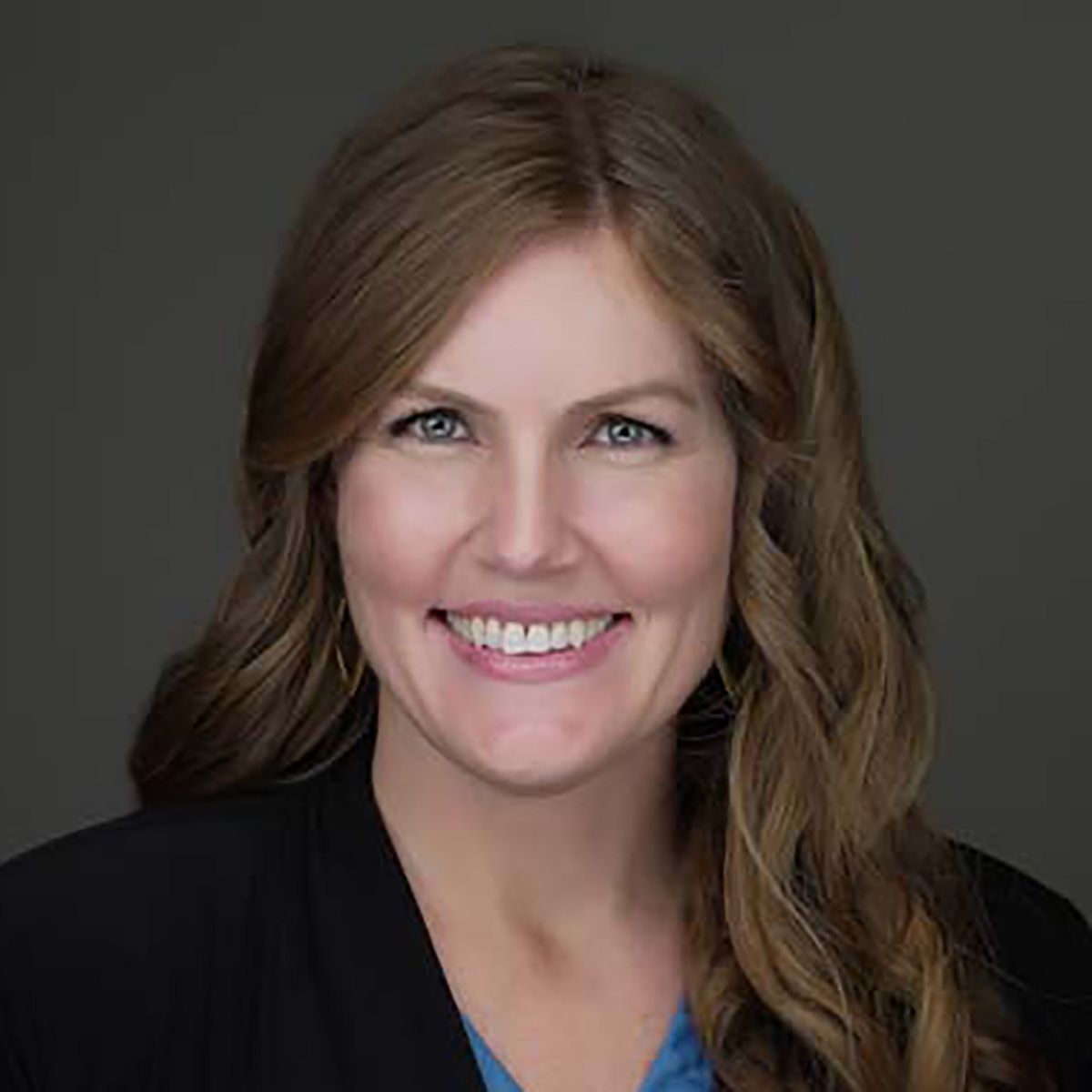
About our Speaker:
Bethany Weathersby
Founder and Executive Director
Allo Hope Foundation
Bethany Weathersby serves as the Executive Director at The Allo Hope Foundation. She received her BS degree in Early Childhood Education and Elementary Education at Jacksonville State University. She received her MEd degree in Curriculum and Instruction at Columbia International University and spent the next 15 years teaching ESL before transitioning into patient education and advocacy.
Bethany lives with her husband, Josh, and their five children in Tuscaloosa, AL. During her third pregnancy in 2013, Bethany was diagnosed with maternal alloimmunization (Kell antibodies) and her daughter was at risk for severe HDFN due to Bethany’s incredibly high titer. Bethany and her husband struggled to find the proactive medical care that Bethany and her unborn baby needed. Unfortunately, due to lack of monitoring and treatment, their daughter, Lucy, was stillborn just shy of 20 weeks. Determined to continue growing their family, Bethany partnered with two maternal-fetal specialists out of state who supported her throughout her next three pregnancies, helping the Weathersbys have the large family they had always wanted. In 2019, Bethany founded the Allo Hope Foundation to provide resources and support, and improve care practices for alloimmunized women and HDFN patients.
Bethany Weathersby serves as the Executive Director at The Allo Hope Foundation. She received her BS degree in Early Childhood Education and Elementary Education at Jacksonville State University. She received her MEd degree in Curriculum and Instruction at Columbia International University and spent the next 15 years teaching ESL before transitioning into patient education and advocacy.
Bethany lives with her husband, Josh, and their five children in Tuscaloosa, AL. During her third pregnancy in 2013, Bethany was diagnosed with maternal alloimmunization (Kell antibodies) and her daughter was at risk for severe HDFN due to Bethany’s incredibly high titer. Bethany and her husband struggled to find the proactive medical care that Bethany and her unborn baby needed. Unfortunately, due to lack of monitoring and treatment, their daughter, Lucy, was stillborn just shy of 20 weeks. Determined to continue growing their family, Bethany partnered with two maternal-fetal specialists out of state who supported her throughout her next three pregnancies, helping the Weathersbys have the large family they had always wanted. In 2019, Bethany founded the Allo Hope Foundation to provide resources and support, and improve care practices for alloimmunized women and HDFN patients.
Key Takeaways:
- How alloimmunization leads to HDFN and why it can be difficult to explain and diagnose
- Why antibody screening and monitoring are critical to pregnancy outcomes
- Where gaps in awareness and care still exist — even in modern healthcare systems
- The importance of timely, accurate lab results and clinical follow-up
- How patient stories can help bridge the gap between diagnostics and care



